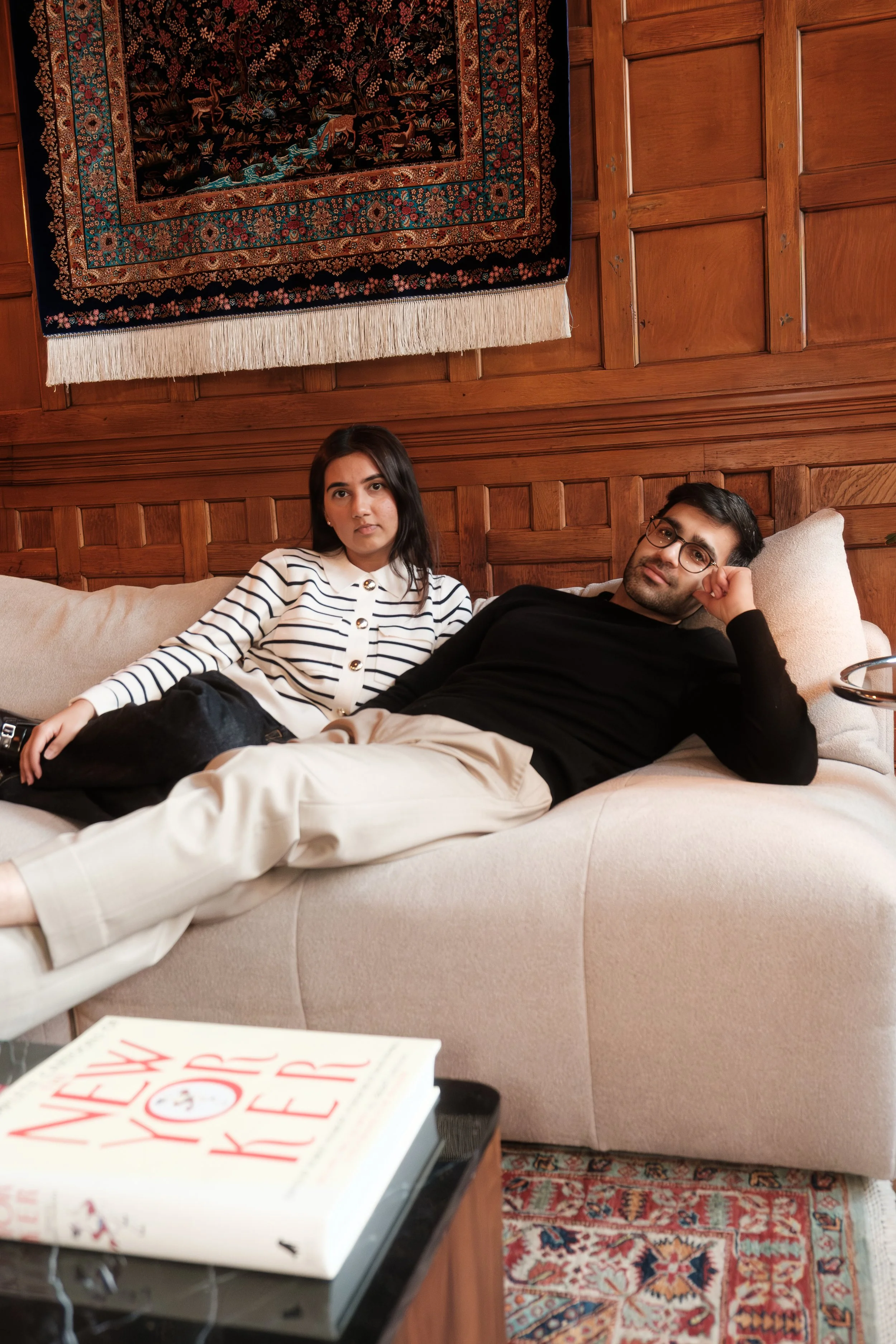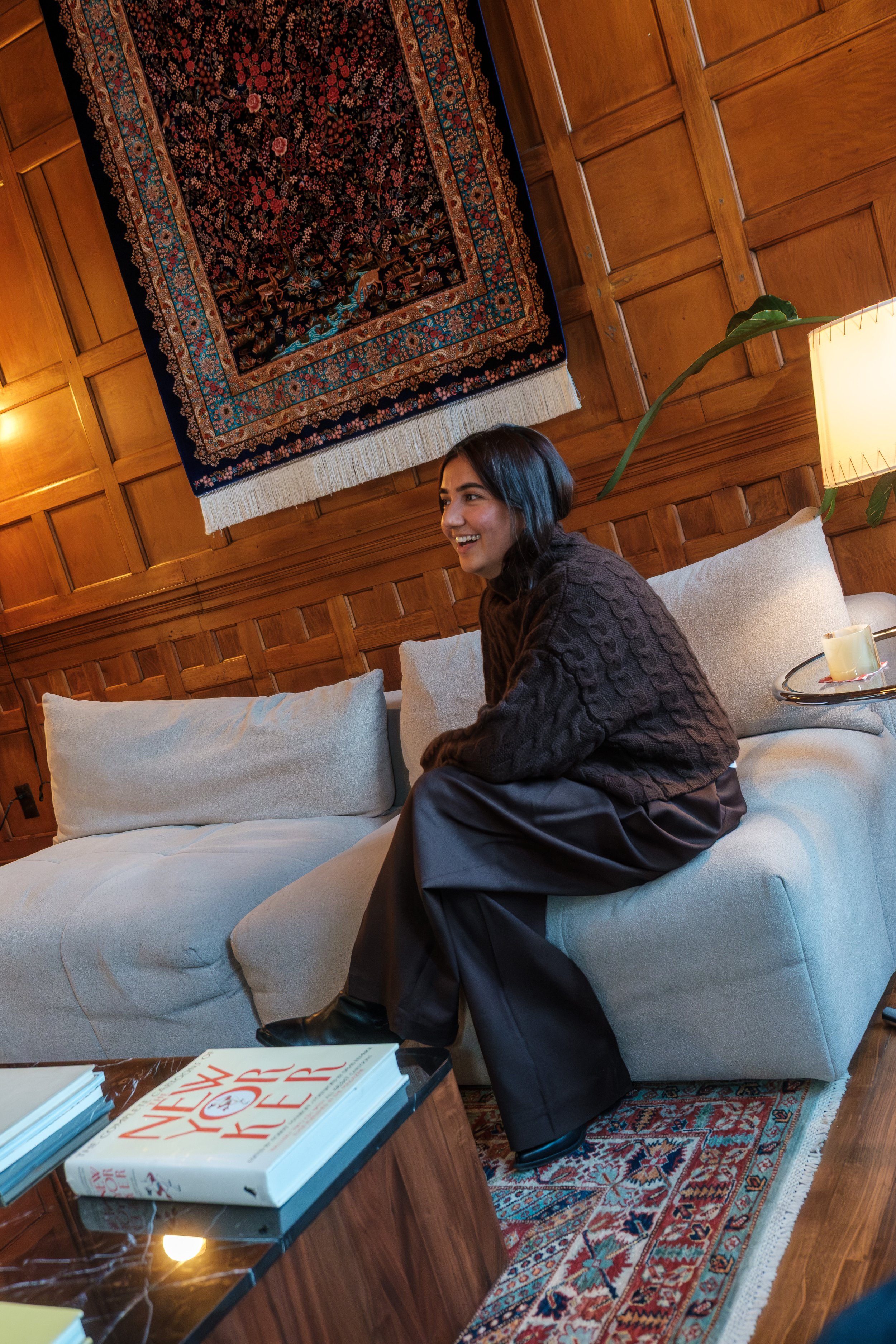
At the table: finding space between worlds
It started with a plate.
Before Studio Purani, before I ever thought about design or craft, I learned what belonging felt like sitting around other people’s dining tables. As an international student in Canada, I was often far from home, but friends’ families would invite me over for Thanksgiving, Easter, or just Sunday dinner. Passing food and stories around the table, I felt part of something larger than myself.
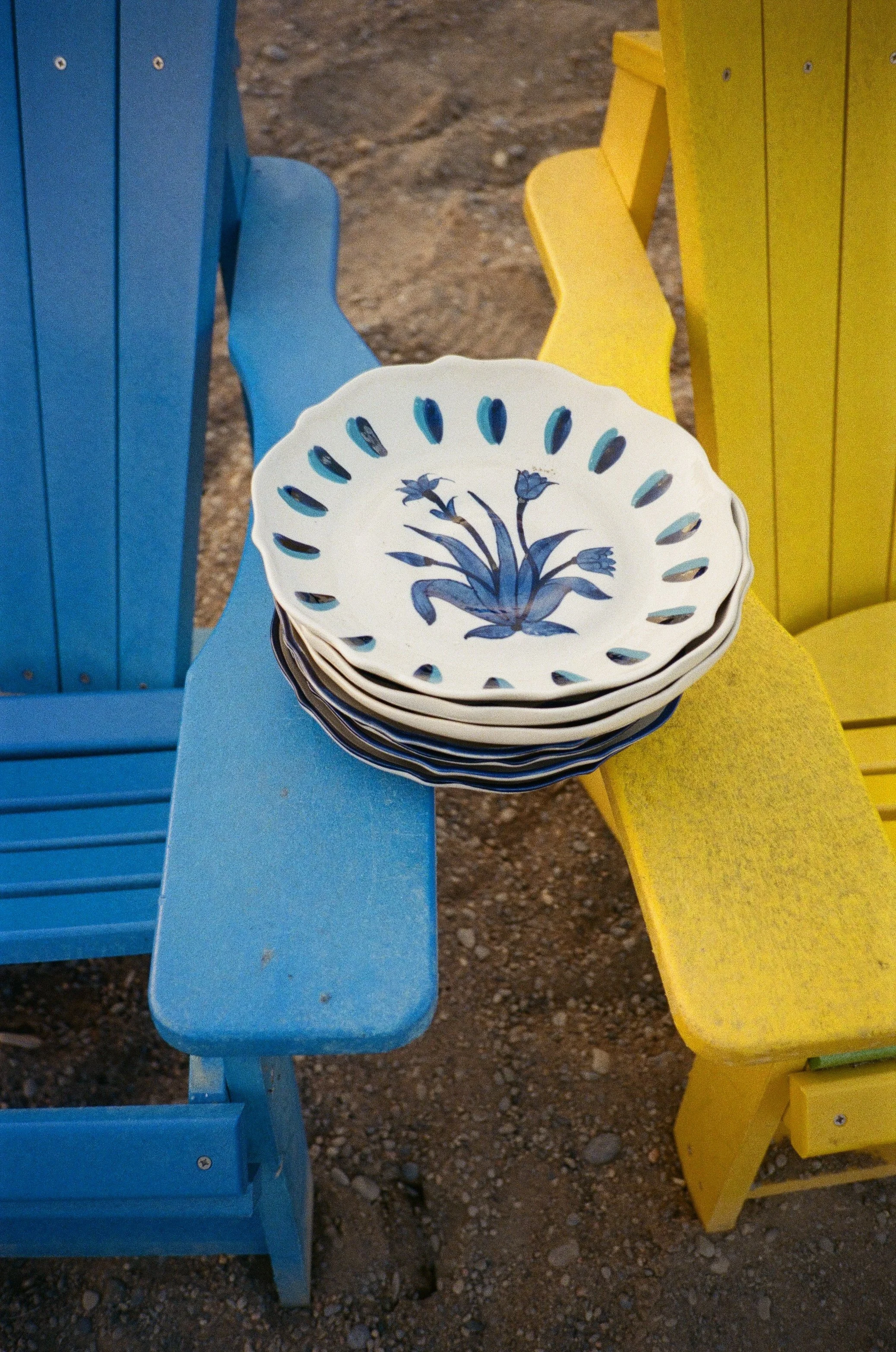
That feeling of connection - of being welcomed in - has stayed with me. But it wasn’t always easy to find.
When I first moved to Canada, fitting in often meant reshaping myself. I’d mix up my Ws and Vs, and people would laugh. Others would say, “You don’t seem Pakistani,” and I’d take it as a compliment - though deep down, it never felt quite right. Over time, I learned to shift between identities, to adapt, to smooth over the edges of who I was.
Years later, after working at the UN and in public sector consulting, I returned to Canada thinking I’d finally found my footing. I was qualified, confident, ready to build something meaningful. But as I applied for jobs, the rejections piled up - polite no’s, vague “not the right fit” emails. Each one chipped away at a version of myself I had spent years constructing.
Somewhere in those moments, I realized I needed to reclaim my narrative - and my creativity. So I took a chance on myself.
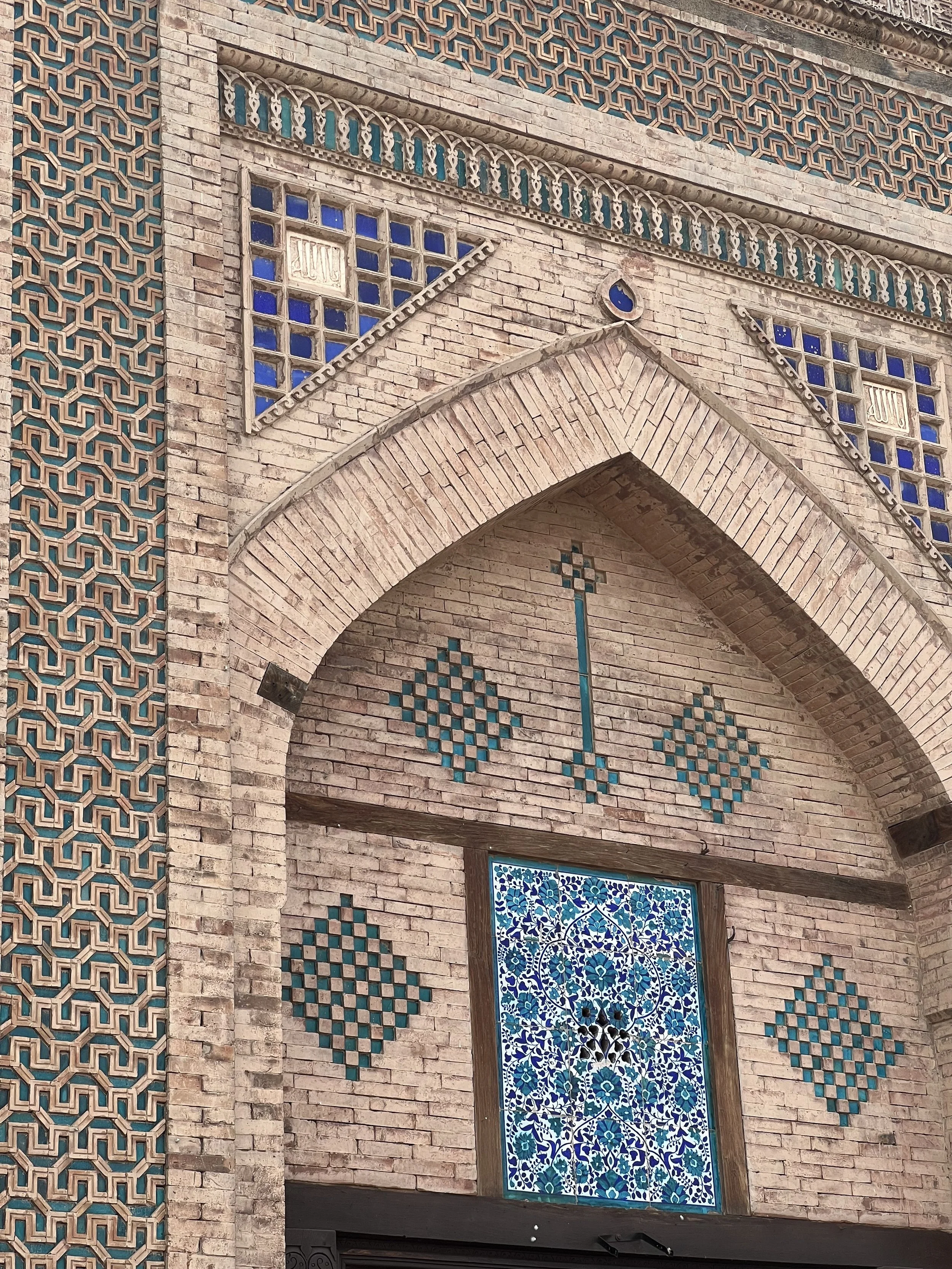
With no formal background in design or product development, I began building something rooted in feeling rather than chasing what looked right on paper. My time at the UN had shown me how deeply economic empowerment and cultural preservation are connected. I wanted to honor both, while bringing my love for interiors and my evolving identity to life. Piece by piece, Studio Purani began to take shape.
Having grown up and worked in Pakistan, I was surrounded by extraordinary craftsmanship - artisans shaping clay, painting intricate motifs, turning age-old techniques into living objects. Returning to Canada, I saw how the interplay of cultures here could inspire something new: people blending identities, creating something meaningful and powerful in the spaces between worlds.
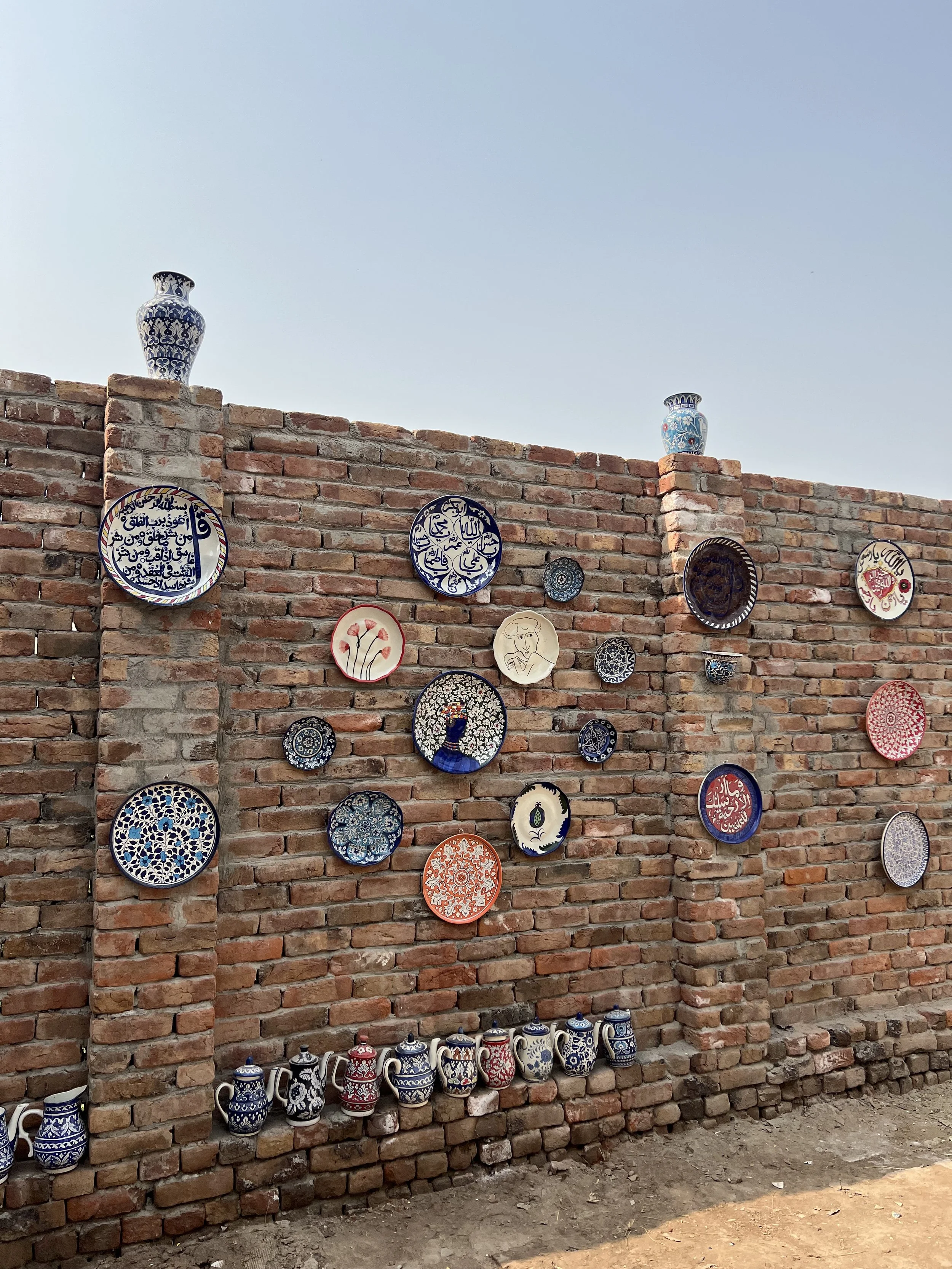
That philosophy guides our work. Our pieces are inspired by traditional motifs and techniques, yet designed through a Canadian lens - to complement the tables, homes, and lives that exist here today. Each one is handcrafted, carrying centuries of skill while reflecting today’s multicultural context. The result is something timeless and playful, where heritage and modernity intertwine.
For me, Studio Purani isn’t just tableware. It’s a bridge - between past and present, between cultures, and between the stories we carry and the moments we create. Each brushstroke, hand-carved detail, and carefully shaped form is a small act of belonging: to our histories, to each other, and to the everyday rituals that make us feel at home.
Studio Purani is my way of honoring that truth - a celebration of roots, of life in Canada, and of the creativity that emerges when both worlds meet. Around every table, there’s room for all the parts of who we are - and that, to me, is what belonging truly looks like.
— Nairah